8 Tips For Boosting Your Composite Door Damage Game
Understanding Composite Door Damage: Causes, Prevention, and Repair
Composite doors have gained enormous appeal recently due to their attractive appearance, durability, and energy efficiency. composite door factory finish are built from a range of materials, including wood, fiberglass, and PVC, which integrate to offer the very best of all worlds. However, like any other exterior component, composite doors are not invulnerable to damage. Understanding the different types of composite door damage, their causes, avoidance methods, and repair strategies can assist house owners make informed decisions to protect their investments.
Kinds Of Composite Door Damage
Composite doors can experience several types of damage, each arising from various causes. The most typical forms of damage consist of:
Surface Scratches and Dents: These are frequently triggered by impacts from furnishings, heavy bags, or equipment.
Weathering or Fading: Continuous direct exposure to sunlight, rain, and other elements can lead to staining or fading of the door's finish.
Deforming: High humidity or wetness can trigger the door to warp, impacting its ability to close and seal correctly.
Cracks and Splits: Temperature fluctuations can cause the products in a composite door to expand and contract, causing cracks or splits.
Water Damage: Prolonged direct exposure to wetness can cause rot, particularly in the door's core or surrounding frame.
Lock and Mechanism Failure: The door's locking mechanism might fail due to wear and tear or since of external impacts.
Causes of Composite Door Damage
Comprehending the hidden aspects that result in composite door damage is important for avoidance. The primary causes include:
Environmental Factors: Weather modifications can take a toll on composite doors. Intense sunshine can fade the door, while rain and humidity can cause swelling and warping.
Physical Impact: Regular wear and tear from daily activities can lead to scratches and damages. In addition, improper handling throughout setup can trigger long-lasting issues.
Poor Maintenance: Lack of routine maintenance, such as not cleaning up the door correctly or disregarding to repaint it, can speed up wear and tear.
Inadequate Sealing: If the door is not appropriately sealed throughout setup, wetness can get in and damage the products, causing rot and mold development.
Avoiding Composite Door Damage
Preventing damage to composite doors relies greatly on proactive care and maintenance. Here are some important techniques to protect your door:
Regular Cleaning: Use a mild cleaning agent and water to clean the door routinely. Prevent abrasive products that can scratch the surface area.
Appropriate Sealing: Ensure that the door has been properly sealed during installation to defend against moisture invasion.
Routine Inspections: Conduct routine inspections of your door and its parts to capture any early signs of damage.
Protection from Physical Damage: Be careful while moving heavy items around the door area. Think about setting up door stops to prevent impacts.
Painting and Finishing: Refinish or repaint the door as needed to preserve its appearance and offer a protective layer versus the aspects.
Set Up a Storm Door: A storm door can offer an extra layer of security versus severe weather condition and include longevity to the main door.
Fixing Composite Door Damage
When damage does occur, various repair methods can be used depending on the severity and kind of damage.
For Surface Scratches and Dents:
- Buffing or Polishing: Use a light buffing substance to polish out small scratches.
- Touch-Up Paint: For much deeper scratches, a touch-up paint that matches the door's color can camouflage flaws.
For Warping:
- Adjusting the Hinges: Sometimes, changing the hinges can resolve minor warping issues.
- Professional Help: Severely warped doors might need experts to change or realign them.
For Cracks and Splits:
- Epoxy or Filler: Small cracks can be filled with epoxy resin or specialized door fillers.
- Replacement Panels: In cases where the damage is comprehensive, think about changing the damaged panel.
For Water Damage:
- Drying: If water damage is found, the door ought to be dried completely, and any decaying materials replaced.
- Sealant Application: Apply waterproof sealant to avoid future wetness infiltration.
For Lock and Mechanism Failures:
- Lubrication: Regularly lubricate the lock systems to guarantee smooth operation.
- Replacement Parts: If parts are damaged, replacement locks or mechanisms must be installed.
Frequently Asked Questions About Composite Door Damage
Q: How long does a composite door generally last?A: With
correct maintenance, composite doors can last as much as 30 years or longer.
Q: Can I paint my composite door?A: Yes,
composite doors can be painted, however it is necessary to use the best kind of paint that is compatible with the door's material.
**Q: How do I understand if my composite door needs repairs?A: Signs include visible warping, trouble in locking/unlocking, or noticeable water damage. Q: Are composite doors more vulnerable to damage than wooden doors?A: While each kind of door has its vulnerabilities, composite doors are
usually more resistant to weather-related damage compared to traditional wooden doors. Q: What is the finest way to preserve a composite door?A: Regular cleansing, annual assessments, and timely repairs are important for keeping the durability of composite doors. Composite doors provide a great mix of aesthetics, toughness, and energy effectiveness. However, like any home feature, they are not
immune to damage. By understanding the kinds of damage that can happen, the causes behind them, and effective avoidance and repair methods, property owners can guarantee that their composite doors remain an important and appealing entryway for years to come. Regular maintenance and attention to detail can maintain the appearance and integrity of these doors, allowing them to serve their purpose successfully. 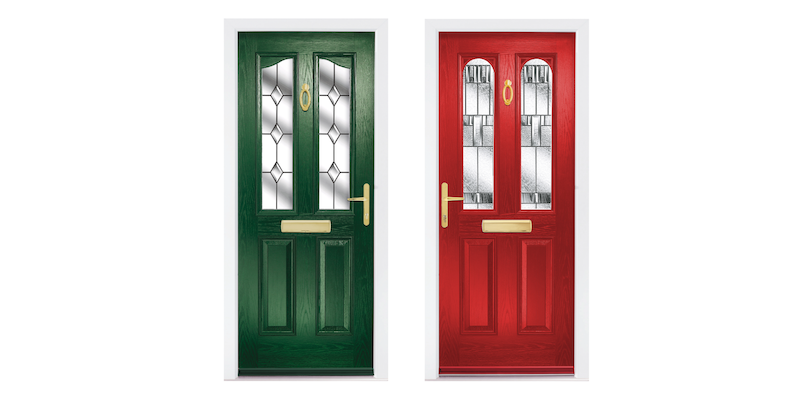 **
**